Virtual Product Presentation
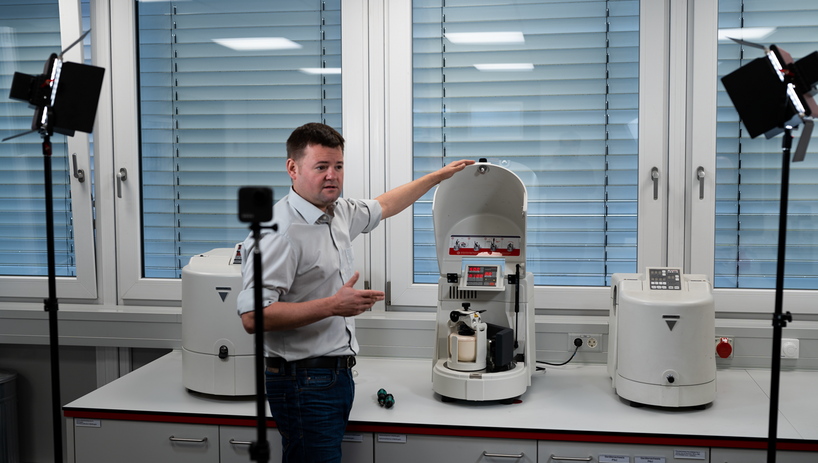
With the virtual product presentation you can experience our products for milling, sizing, sieving and dividing directly at your workplace.
Preparação de amostras com equipamento FRITSCH - Um padrão a nível mundial na indústria e na investigação.
Com a FRITSCH encontra o equipamento adequado para cada preparação, volume de amostras e para cada material. Com os nossos moinhos de alto rendimento, que operam conforme diversos princípios de trituração. Ou as nossas soluções ótimas para uma análise por crivagem eficiente e resultados exatos e reproduzíveis. E naturalmente, equipamento de laboratório para divisão e alimentação.
Utilize a pesquisa de produto para encontrar fácil e rapidamente o equipamento perfeito para a sua aplicação.
PESQUISA DE PRODUTO
31 Resultados
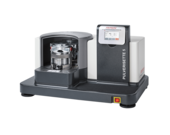
Details
PULVERISETTE 5
premium line
- Max. feed size (depends on material)
- 10 mm
- Max. sample quantity
- 450 ml
- Final fineness (depends on material)
- < 0.1 µm
- Main disc speed
- 100 - 800 rpm
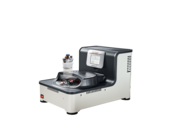
Details
PULVERISETTE 7
premium line
- Max. feed size (depends on material)
- 5 mm
- Max. sample quantity
- 60 ml
- Final fineness (depends on material)
- < 0.05 µm
- Main disc speed
- 150 - 1100 rpm
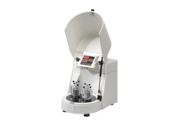
Details
PULVERISETTE 7
classic line
- Max. feed size (depends on material)
- 5 mm
- Max. sample quantity
- 40 ml
- Final fineness (depends on material)
- < 1 µm
- Main disc speed
- 100 - 800 rpm
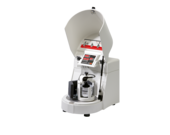
Details
PULVERISETTE 6
classic line
- Max. feed size (depends on material)
- 10 mm
- Max. sample quantity
- 225 ml
- Final fineness (depends on material)
- < 1 µm
- Main disc speed
- 100 - 650 rpm
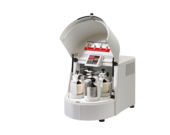
Details
PULVERISETTE 5/4
classic line
- Max. feed size (depends on material)
- 10 mm
- Max. sample quantity
- 900 ml
- Final fineness (depends on material)
- < 1 µm
- Main disc speed
- 50 - 400 rpm
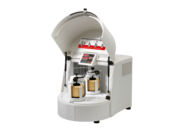
Details
PULVERISETTE 5/2
classic line
- Max. feed size (depends on material)
- 10 mm
- Max. sample quantity
- 450 ml
- Final fineness (depends on material)
- < 1 µm
- Main disc speed
- 50 - 400 rpm
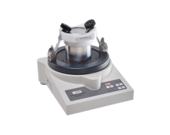
Details
PULVERISETTE 0
- Max. feed size (depends on material)
- 5 mm
- Max. sample quantity
- 10 ml
- Final fineness (depends on material)
- 10 µm
- Grinding bowl oscillations per minute
- 3000 - 3600 at 1-3 mm amplitude
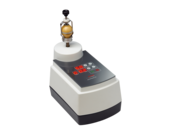
Details
PULVERISETTE 23
- Max. feed size (depends on material)
- 6 mm
- Max. sample quantity
- 5 ml
- Final fineness (depends on material)
- 5 µm
- Grinding bowl oscillations per minute
- 900 – 3000 at 9 mm amplitude
Details
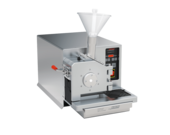
PULVERISETTE 19
- Max. feed size (depends on material and funnel)
- 70 x 80 mm
- Max. throughput (depends on material and sieve cassette)
- 60 l/h
- Final fineness (depends on sieve cassette)
- 0.1 - 20 mm
- Rotor speed (depends on voltage and frequency)
- 300 - 3000 rpm
Details
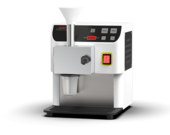
PULVERISETTE 19
- Max. feed size (depends on material and funnel)
- 70 x 80 mm
- Max. throughput (depends on material and sieve cassette)
- 60 l/h
- Final fineness (depends on sieve cassette)
- 0.1 - 20 mm
- Rotor speed (depends on voltage and frequency)
- 50 - 700 rpm
Details
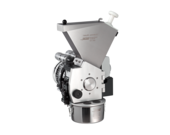
PULVERISETTE 29
- Max. feed size (depends on material and funnel)
- up to 25 mm
- Max. throughput (depends on material and sieve cassette)
- 36 l/h
- Final fineness (depends on sieve cassette)
- 0.25 - 6 mm
- Rotor speed (depends on voltage and frequency)
- 500-6000 rpm
Details
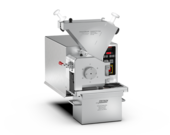
PULVERISETTE 15
- Max. feed size (depends on material and funnel)
- 70 x 70 mm
- Max. throughput (depends on material and sieve cassette)
- 50 l/h
- Final fineness (depends on sieve cassette)
- 0.25 - 20 mm
- Rotor speed (depends on voltage and frequency)
- 2800/3400 rpm
Details
PULVERISETTE 19 <em>large</em>
- Max. feed size (depends on material and funnel)
- 120 x 85 mm
- Max. throughput (depends on material and sieve cassette)
- 85 l/h
- Final fineness (depends on sieve cassette)
- 0.25 - 20 mm
- Rotor speed (depends on voltage and frequency)
- 50 - 700 rpm
Details
PULVERISETTE 19 <em> large</em>
- Max. feed size (depends on material and funnel)
- 120 x 85 mm
- Max. throughput (depends on material and sieve cassette)
- 85 l/h
- Final fineness (depends on sieve cassette)
- 0.25 - 20 mm
- Rotor speed (depends on voltage and frequency)
- 300-3000 rpm
Details
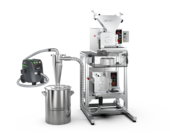
PULVERISETTE 19 <em>large</em> / PULVERISETTE 19
- Max. feed size (depends on material and funnel)
- 120 x 85 mm
- Max. throughput (depends on material and sieve cassette)
- 60 l/h
- Final fineness (depends on sieve cassette)
- 0.1 - 20 mm
- Rotor speed (depends on voltage and frequency)
- 50-700 - resp. 300-3000 rpm
Details
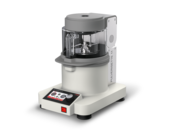
PULVERISETTE 11
- Max. feed size (depends on material)
- 40 mm
- Max. sample quantity
- 1,400 ml
- Final fineness
- < 300 µm
- Rotational speed
- 2,000 - 10,000 rpm, turbo function with 14,000 rpm
Details
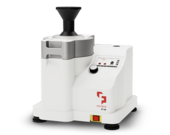
P-14
- Max. feed size (depends on material)
- 15 mm
- Max. throughput (depends on material and sieve insert)
- 15 l/h
- Final fineness (depends on sieve insert)
- 0.08 - 6 mm
- Rotor speed
- 2,000 - 24,000 rpm
Details
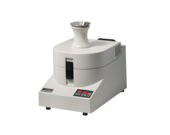
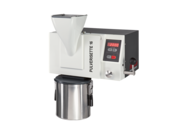
PULVERISETTE 14
classic line
- Max. feed size (depends on material)
- 10 mm
- Max. throughput (depends on material and sieve insert)
- 5 l/h
- Final fineness (depends on sieve insert)
- 0.08 - 6 mm
- Rotor speed
- 6,000 - 20,000 rpm
Details
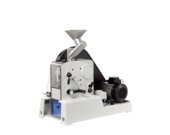
PULVERISETTE 16
- Max. feed size (depends on material)
- 25 mm
- Max. throughput (depends on material and sieve insert)
- 80 l/h
- Final fineness (depends on sieve insert)
- 0.12 - 10 mm
- Rotor speed
- 2,000 - 4,000 rpm
Details
PULVERISETTE 1
classic line
- Max. feed size (depends on material)
- 60 mm
- Max. continuous throughput
- 140 kg/h
- Final fineness (depends on gap adjustment)
- 1 - 15 mm
- Power consumption
- 1.7 kW
Details
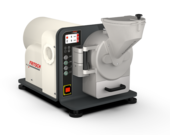
PULVERISETTE 1
classic line
- Max. feed size (depends on material)
- 95 mm
- Max. continuous throughput
- 200 kg/h
- Final fineness (depends on gap adjustment)
- 1 - 15 mm
- Power consumption
- 2.6 kW
Details
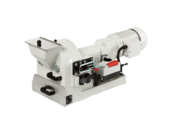
PULVERISETTE 13
premium line
- Max. feed size (depends on material)
- 20 mm
- Max. throughput (depends on material)
- 150 kg/h
- Final fineness
- 0.05 - 12 mm
- Motor speed
- 440 rpm
Details
PULVERISETTE 13
classic line
- Max. feed size (depends on material)
- 20 mm
- Max. throughput (depends on material)
- 150 kg/h
- Final fineness
- 0.1 - 12 mm
- Motor speed
- 440 rpm
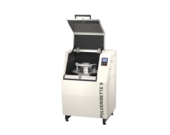
Details
PULVERISETTE 9
- Max. feed size (depends on material)
- 12 mm
- Max. throughput (depends on material)
- 250 ml
- Final fineness
- 10 - 20 µm
- Motor speed
- 600 - 1500 rpm
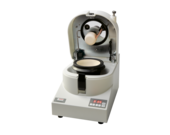
Details
PULVERISETTE 2
- Max. feed size (depends on material)
- 8 mm
- Max. sample quantity
- 190 ml
- Final fineness
- 10 - 20 µm
- Mortar bowl speed
- ~ 70 - 80 rpm
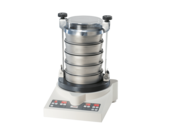
Details
ANALYSETTE 3 PRO
- Max. sample quantity (approx.)
- 2 kg
- Sieve diameter
- 100 mm, 200 mm, 8"
- Max. number of sieves per sieve stack
- 10 (50 mm height), 16 (25 mm height)
- Testing instrument calibration according to ISO 9001
- yes
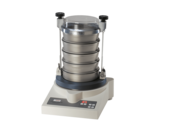
Details
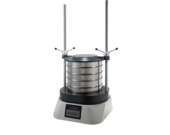
ANALYSETTE 3 SPARTAN
- Max. sample quantity (approx.)
- 2 kg
- Sieve diameter
- 100 mm, 200 mm, 8"
- Max. number of sieves per sieve stack
- 10 (50 mm height), 16 (25 mm height)
- Testing instrument calibration according to ISO 9001
- no
Details
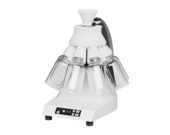
ANALYSETTE 18
- Max. sample quantity (approx.)
- 15 kg
- Sieve diameter
- 200-450 mm / 8"-18"
- Max. number of sieves per sieve stack
- 12 (65 mm height)
- Testing instrument calibration according to ISO 9001
- yes
Details
LABORETTE 27
- Division ratio (depends on dividing head)
- 1:8, 1:10, 1:30
- Number of possible sub-samples (depends on dividing head)
- 8, 10 oder 3
- Max. feed particle size (depends on dividing head)
- 2,5 mm / 10 mm
- Max. sample quantity (depends on dividing head)
- 4000 ml - 2500 ml - 300 ml
Details
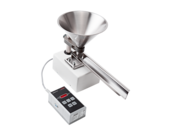
LABORETTE 24
- Max. feed quantity
- 1,500 g/min
- Min. feed quantity
- 1 g/min
- Suitable for
- narrow, directed sample discharge
- Length of feeder channel (complete)
- 330 mm
Details
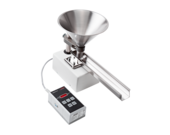
LABORETTE 24
- Max. feed quantity
- 2,500 g/min
- Min. feed quantity
- 5 g/min
- Suitable for
- uniform, wide sample feeding
- Length of feeder channel (complete)
- 330 mm
Downloads

ProductRange MILLING | SIZING | SIEVING | DIVIDING